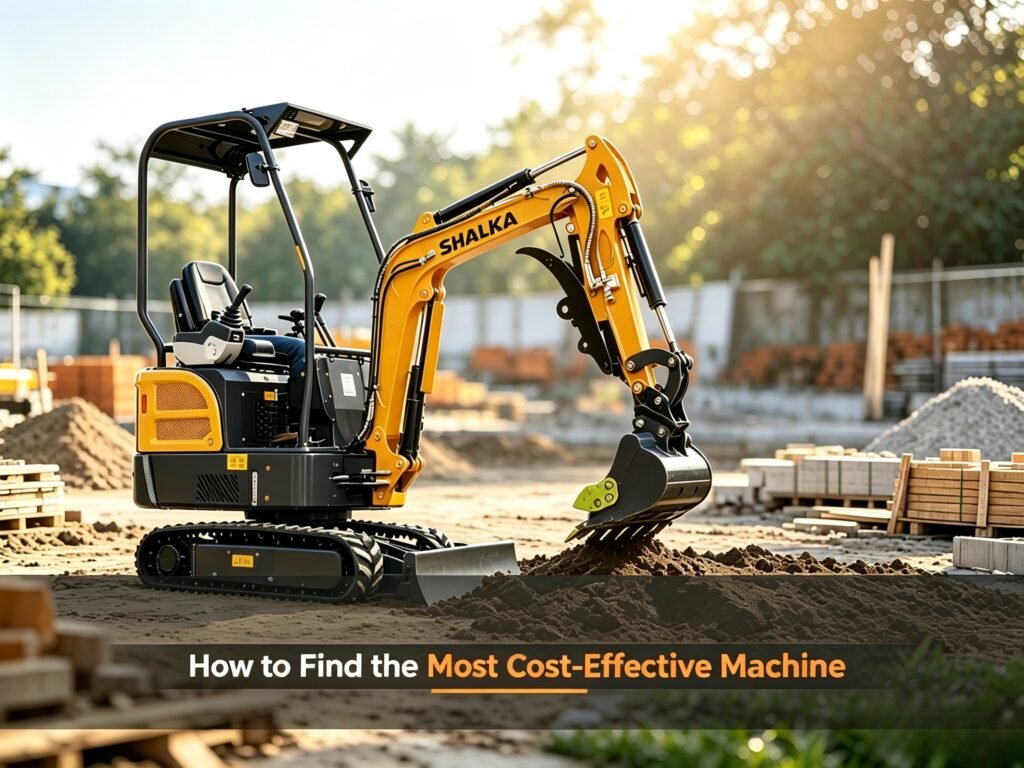
In 2026, China’s construction machinery industry delivered an impressive performance in overseas markets. Unlike in the past, when large-scale mining equipment and hundred-ton cranes dominated the scene, the primary drivers of export growth this year have been compact, highly maneuverable mini-excavators. According to the latest data from the China Construction Machinery Association, the total export volume of Chinese mini-excavators (6 tons and under) exceeded 52,000 units in the first half of 2026—a year-on-year increase of 43.7%. This growth rate far outpaced that of medium and large excavators, making mini-excavators the undisputed “growth champion.”
This boom in mini-excavator exports is inextricably linked to the sustained rise of the “backyard economy” in European and American markets. Demand among residents in these regions for yard renovations, gardening, and small-scale repairs remains high, leading to a significant increase in the willingness of household users to purchase micro-excavators. Meanwhile, as infrastructure in Europe and the US enters a maintenance phase, there has been a surge in small-scale projects—such as urban utility network repairs and road patching—creating a greater need for equipment that offers superior maneuverability and accessibility.
Chinese mini-excavators have effectively filled this market gap. Domestic manufacturers have tailored their products to the usage habits of European and American consumers, optimizing features such as ease of operation, safety protections, and emission levels. Numerous models have secured EU CE certification and US EPA emission certification, successfully penetrating mainstream rental markets and home-improvement retail channels in the West.
Underpinning this rapid export growth is a continuous leap in the product capabilities of domestic mini-excavators. Since the beginning of 2026, domestic OEMs have initiated a wave of “technology cascading”—applying advanced systems previously reserved for medium and large excavators, such as load-sensing hydraulics and intelligent electronic control technologies, to their mini-excavator product lines. This has significantly enhanced operational precision and work efficiency.
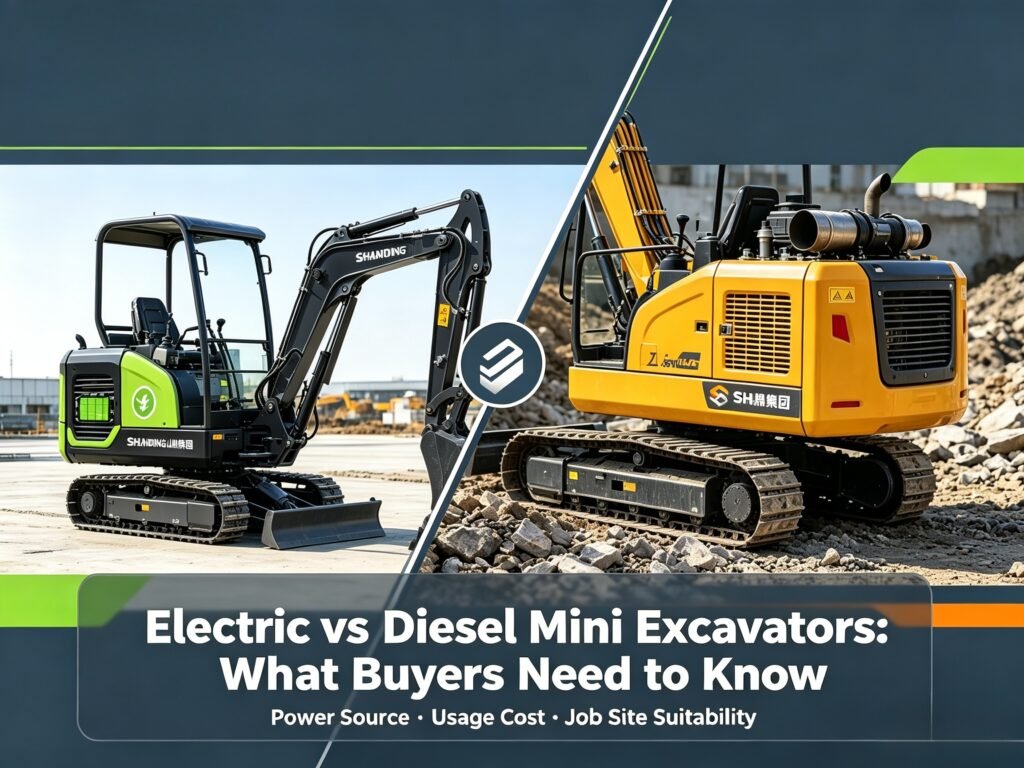
Electrification has also emerged as a new growth engine for mini-excavator exports. Advances in lithium-battery technology have highlighted the advantages of electric mini-excavators regarding noise reduction, zero emissions, and lower total cost of ownership. These machines are particularly well-suited for environments with strict requirements, such as indoor demolition and orchard operations. In the first half of the year, export volumes for electric mini-excavators surged by over 150% year-on-year, with demand in the European market outstripping supply.
Notably, this growth is driven not only by the products themselves but also by the simultaneous expansion of after-sales support services. An increasing number of domestic enterprises are establishing overseas spare parts centers and partnering with local distributors to create rapid-response mechanisms, thereby shortening the parts supply cycle from several weeks to under 48 hours. This “product-plus-service” model for overseas expansion has significantly boosted repeat purchase rates and brand loyalty among international customers.
Industry experts note that the rapid growth in mini-excavator exports signals that China’s construction machinery industry has developed comprehensive capabilities for global expansion—spanning everything from R&D and lean manufacturing to global service provision. In the mini-excavator segment—long dominated by European and American brands—Chinese manufacturers are achieving a historic shift from merely “keeping pace” to “running neck and neck” with established players, driven by solid product quality and highly responsive supply chains. It is anticipated that as overseas distribution networks penetrate deeper into local markets and brand recognition grows, the global market share of domestically produced mini-excavators will continue to rise.